Sound plays an indispensable role in 3D immersion, and Roblox Corporation is taking platform acoustics to the next level. In a dual audio announcement, engineers revealed "Spatial Voice 2.0" — featuring dynamic acoustic occlusion and environmental reverb — alongside an AI-driven Generative Text-to-Speech (TTS) framework that breathes life into non-player characters across 15 languages.
Spatial Voice 2.0 and Acoustic Occlusion
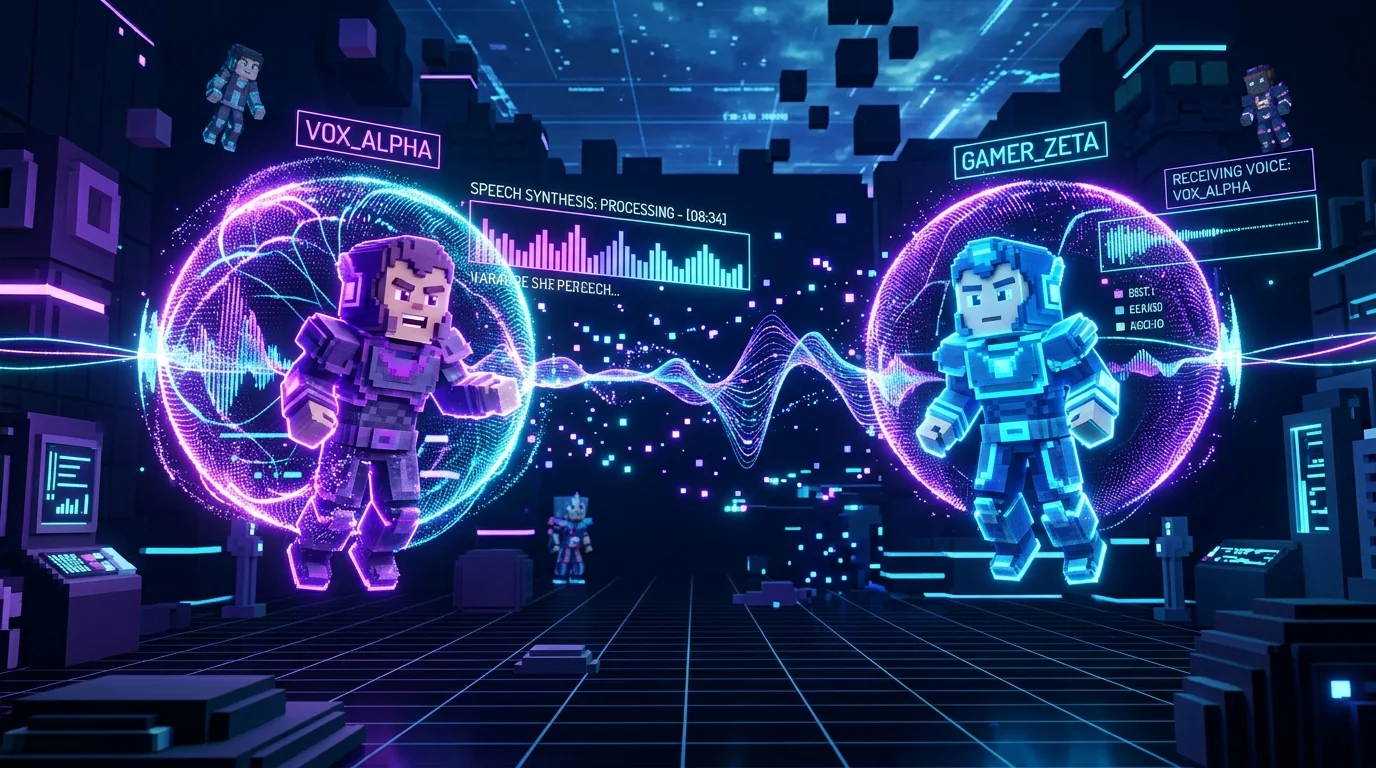
Traditional voice chat on Roblox operated on basic distance attenuation: voices grew louder as players walked closer. Spatial Voice 2.0 incorporates physics-based raytracing for acoustic propagation. If a player speaks from behind a glass partition, an oak door, or inside a subterranean cavern, the sound wave muffles and reverberates realistically according to material density.
To enable voice chat on your profile and test microphone sensitivity, follow our step-by-step Roblox voice chat setup tutorial. If your microphone fails to activate or displays error prompts, utilize our Roblox error lookup tool to identify device permission conflicts.
Generative Text-to-Speech and Automated Moderation
Alongside spatial audio, Generative TTS allows studio developers to convert in-game quest text and NPC conversations into natural, emotive speech dynamically. The system supports multi-dialect voice synthesis without requiring costly pre-recorded voice actor files.
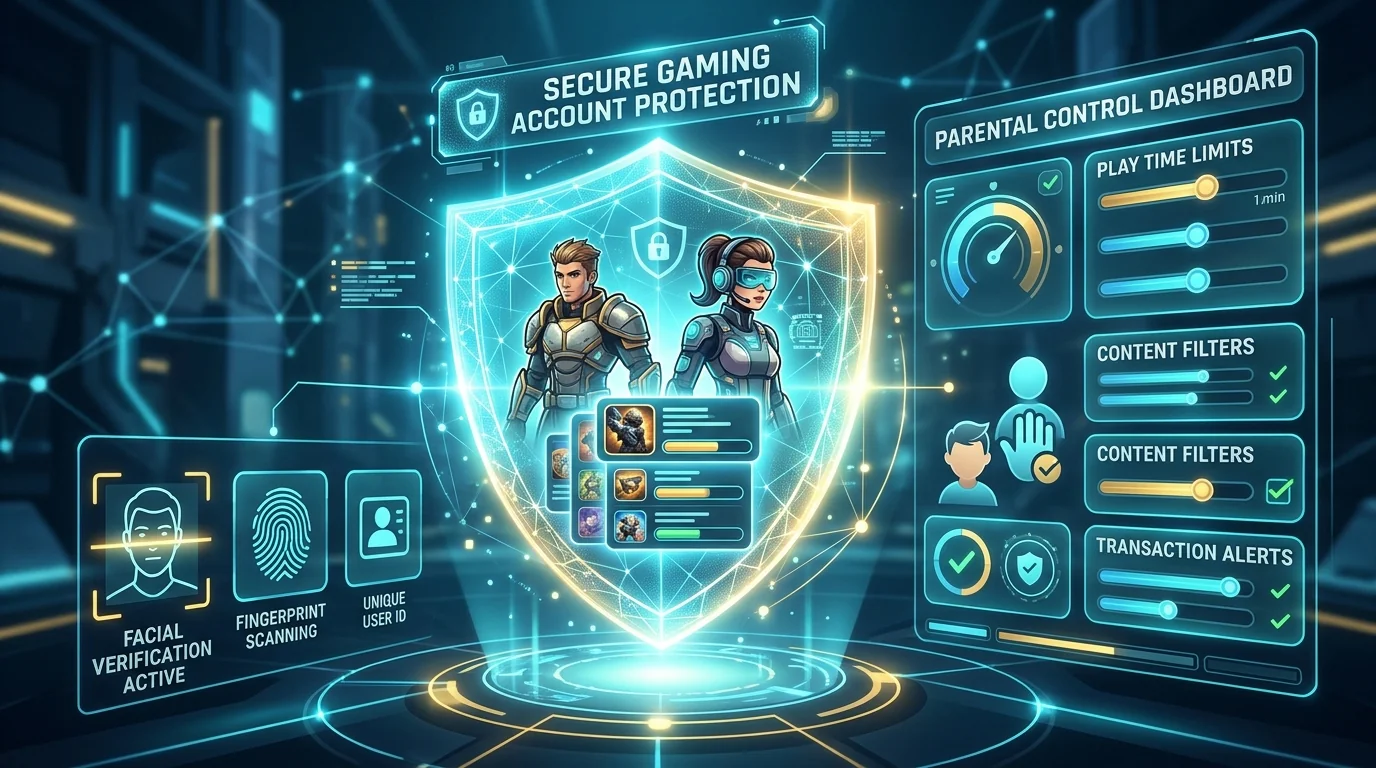
Safety remains paramount: both Generative TTS and Spatial Voice 2.0 operate under real-time neural moderation filters that detect harassment, profanity, and personal information sharing within 300 milliseconds. Parents can manage voice permissions and chat restrictions anytime via our parental safety controls guide.